
Tracking Expenses Without Losing Your Mind
Stop wrestling with spreadsheets. Learn practical methods to track where your money goes — and actually understand your spending habits.
Why Most People Give Up on Tracking
Here's the thing — tracking expenses doesn't have to feel like a part-time job. You don't need spreadsheets with 50 categories or apps that demand your attention every five minutes. What you need is a system that fits your actual life, not the other way around.
The problem isn't that you can't stick with it. It's usually that you're trying to track in a way that doesn't match how you actually spend money. Some people use cash, others tap their card constantly. Some prefer apps, others swear by pen and paper. Your system needs to work with you, not against you.
In this guide, we'll walk through several methods — from digital apps to analog systems — so you can pick what actually fits your life. You'll understand how to set it up without spending hours getting it perfect, and more importantly, how to keep going when the initial excitement wears off.

Three Core Tracking Methods That Actually Work
Different approaches for different people. Pick the one that matches your spending habits.
1. The Digital App Approach
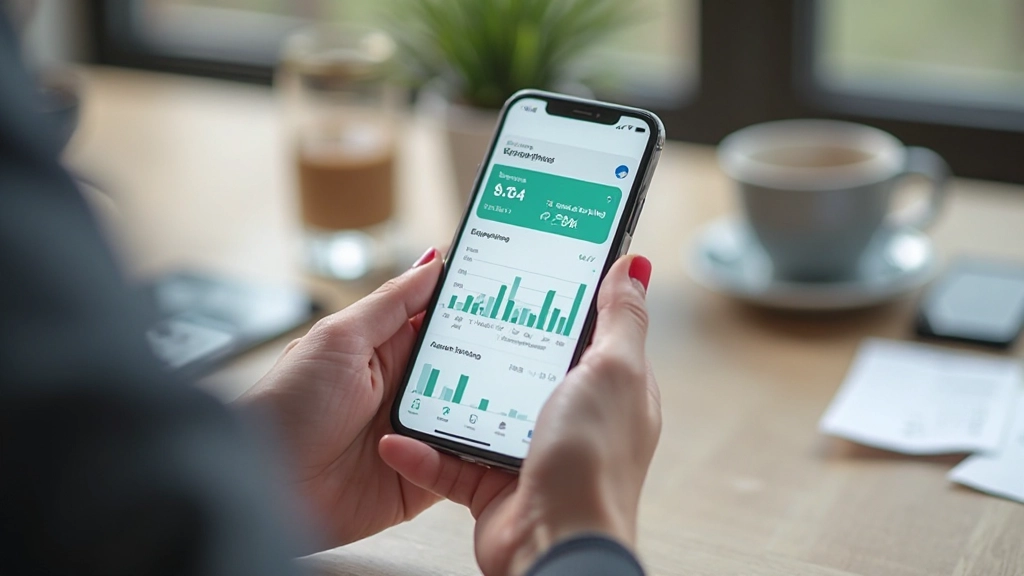
Apps like Emma, Money Dashboard, or even your bank's native tools automatically categorize transactions. You're not manually entering anything — the system does it for you. This works brilliantly if you use your card for most purchases and don't mind a bit of app checking.
The biggest advantage? Real-time notifications. You'll see your spending the moment it happens. Over three months, you'll have clear data on where your money actually goes. Many apps show spending patterns by category — groceries, transport, subscriptions — so you're not guessing anymore.
Fair warning though: if you use cash frequently or move between multiple accounts, these apps can miss transactions. You'll end up manually adding things anyway, which defeats the purpose.


2. The Envelope System (Digital or Physical)
This is the old-school method that's seeing a comeback. You divide your monthly spending into categories — groceries, transport, entertainment — and allocate a set amount to each. With physical envelopes, you literally put cash in each one. Once it's gone, it's gone.
Digital versions like YNAB (You Need A Budget) do the same thing electronically. You get a psychological benefit either way: when you're spending from a "groceries" envelope and it's nearly empty, you think twice before buying organic everything.
The strength here is behavioral. You're forced to make choices because you've set limits. Most people who use this method report spending 15-20% less within the first two months, not because they're restricting harshly, but because they're being intentional.
The trade-off? Setup takes real time. You'll need to think through your categories, estimate reasonable amounts, and actually check your envelopes regularly. It's not passive like an app.
3. The Receipt Log Method
Simple but effective: keep receipts, log them weekly into a spreadsheet or notebook. Spend 15 minutes on Sunday evening recording the week's spending. It's low-tech, requires no subscriptions, and gives you complete control over your data.
This method shines if you're hands-on with your money. You're actively reviewing each purchase, which creates awareness. That awareness alone changes spending behavior. You start asking yourself "do I really need this?" before buying because you know you'll be logging it.
The downside: it's manual, so it takes discipline. If you forget receipts or don't do your weekly log, gaps appear in your data. And if you make lots of small purchases, you'll spend time writing them down.
A hybrid approach works well here — use your bank's transaction history to fill in gaps and combine it with receipt logging for accuracy.

Making It Stick — The Practical Setup
Choosing a method is one thing. Actually using it is another.
Start with your actual spending, not your ideal spending
Track for a full month before making any changes. Don't judge yourself — just observe. You'll find spending patterns you didn't know existed. Maybe you spend £180 monthly on coffee. Maybe subscriptions add up to £47 you forgot about. This baseline is gold.
Use 4-5 broad categories, not 20
Try: Essentials (rent, utilities, insurance), Food, Transport, Subscriptions, and Everything Else. Too many categories and you'll spend more time categorizing than actually tracking. After three months, you can refine if needed.
Review weekly, not daily
Checking your balance daily creates anxiety without adding insight. A 15-minute weekly review is enough to spot problems and stay engaged. Sunday evening works for most people — review the week, plan for the next one.
Set one small goal, not ten
Don't overhaul your spending immediately. Pick one area — maybe reducing takeaway coffee or canceling unused subscriptions. One small win builds momentum. After that's natural, tackle the next one.
"The goal isn't perfection. It's awareness. Once you see where your money goes, the decisions almost make themselves."
The Real Benefit of Tracking
Tracking expenses isn't about restricting yourself or obsessing over every pound. It's about building a relationship with your money that actually works. When you know where your money goes, you're no longer making financial decisions blindly.
Most people who stick with expense tracking for three months report the same thing: they feel less stressed about money. Not because they suddenly have more, but because there are no surprises anymore. They understand their spending, they've made intentional choices about what matters, and they've caught the spending leaks nobody knew existed.
Start simple. Pick one method. Give it six weeks. If it's not working, try another. The best system is the one you'll actually use, not the one that looks perfect in theory.

Educational Information
This article provides general educational information about expense tracking methods and personal budgeting. It's intended to help you understand different approaches to managing your finances. Individual circumstances vary significantly — your situation may require different strategies based on your income, expenses, and financial goals. Consider consulting with a qualified financial adviser who can assess your specific circumstances before making significant financial changes.